
Transamazon Hospital Uses Lectures to Break Taboos About Prostate Cancer
Meetings reinforce the need for specialized diagnosis and follow-up
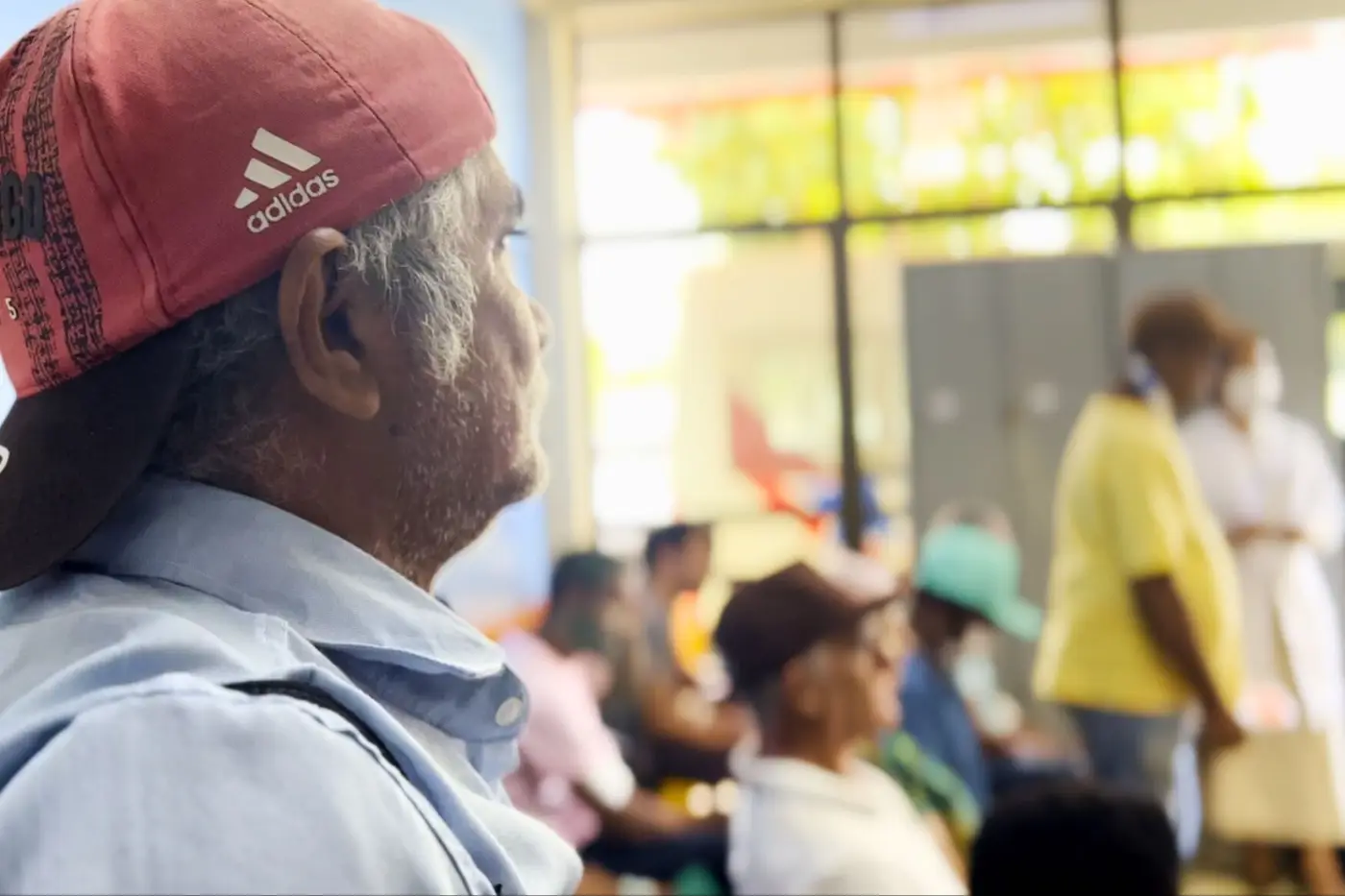
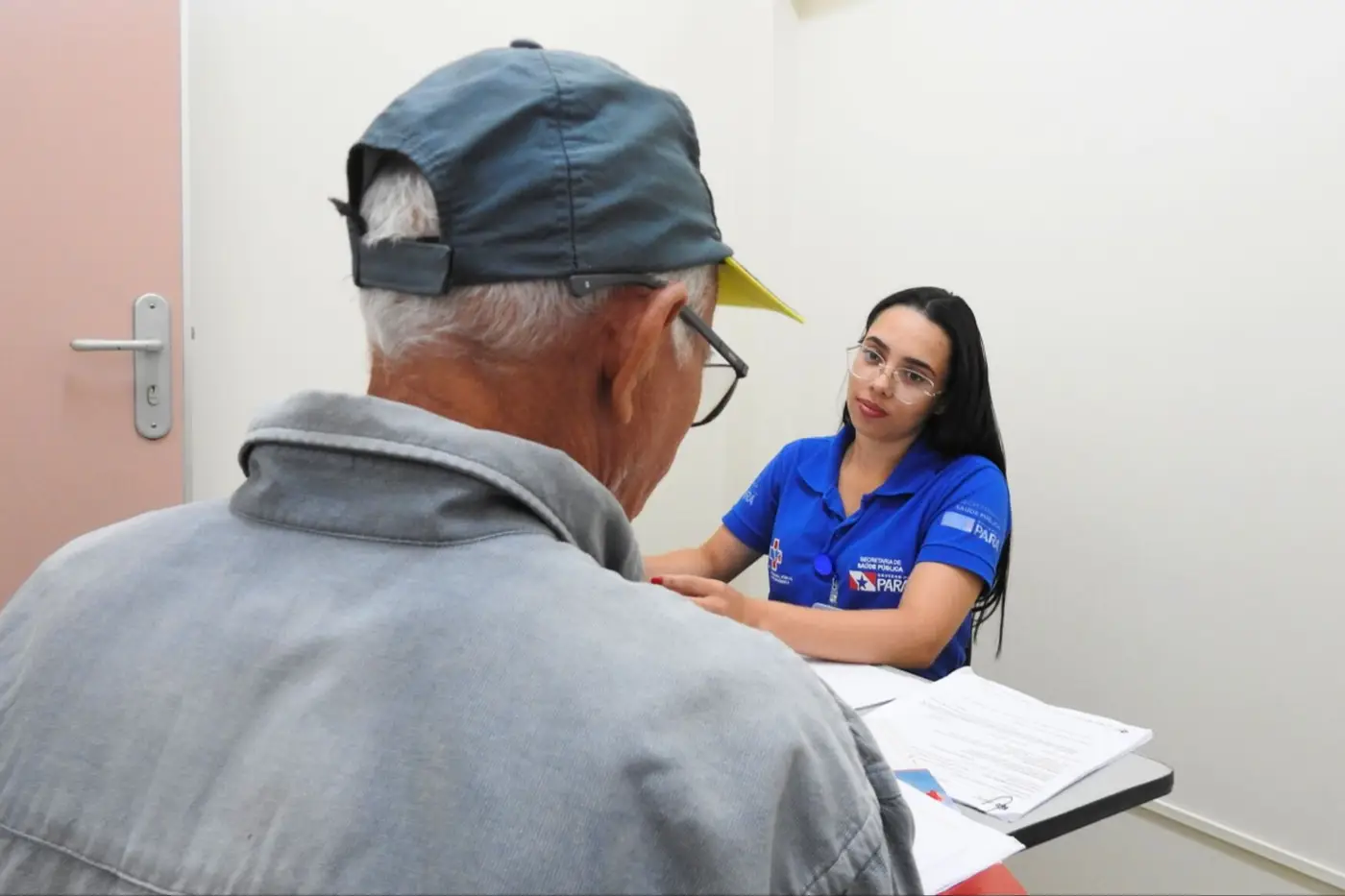
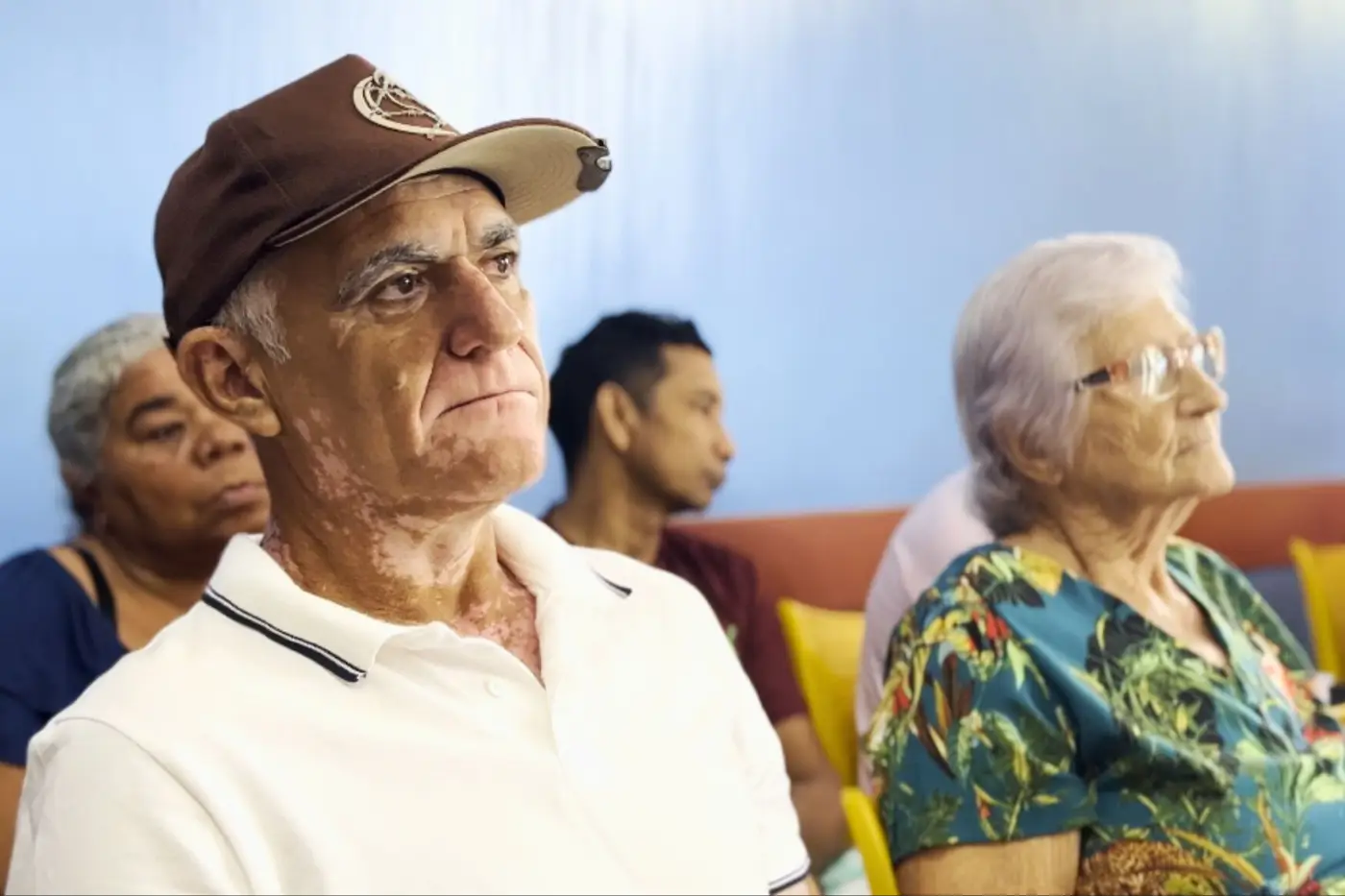
"This is nonsense, this machismo has to be left behind, it’s an old thing." The message comes from someone who knows it’s better to prevent than to remedy. Rural producer Ziloney Baldo da Silva, 56, was accompanying his mother-in-law, Mrs. Verônica, 74, who undergoes hemodialysis at the Regional Public Hospital of Transamazon (HRPT) in Altamira, southwest of Pará, when the unit was offering an activity on a topic that many men don’t even want to hear about: prostate cancer. Or rather, the digital rectal exam, essential for diagnosing the second disease that kills the most men in Brazil. "It’s nothing serious. Do the PSA [blood test that identifies changes in the prostate], then the rectal exam, and if something is detected, the person is at the beginning and can make the treatment much easier," he reflects.
Ziloney's statement was made during a lecture held by the multidisciplinary team of Hemodialysis on Monday, November 17, a day that marks the fight for awareness about prostate cancer. Súsane Souza, a psychologist in the department, explains that the activity reinforces the work done by the Transamazon Hospital throughout the year. "We have universities that always embrace causes, so we extended the invitation to have this communication, to energize the moment, to pass information in a way that is not so heavy."
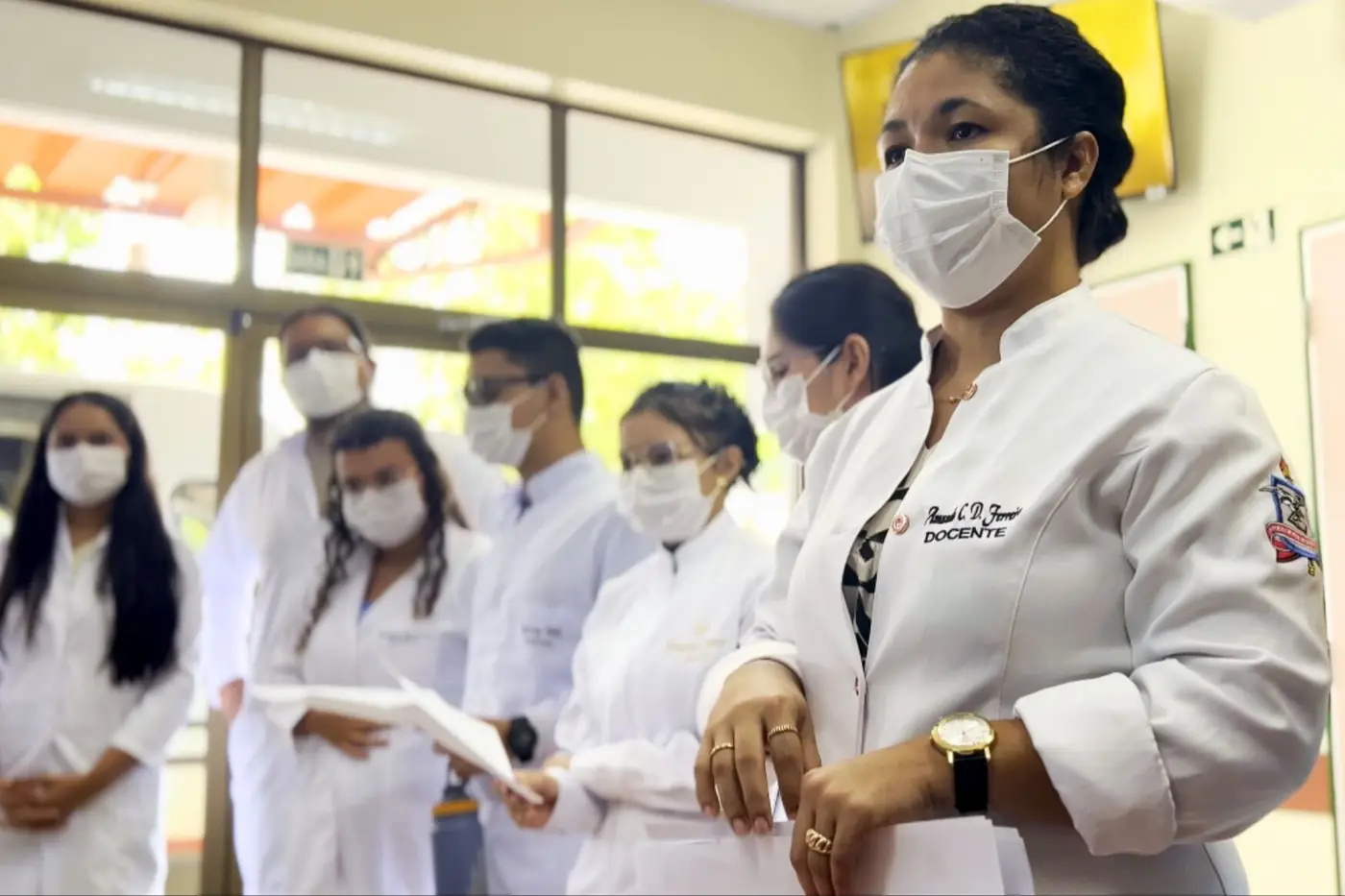
The lecture was given by HRPT professionals and medical students from the Federal University of Pará (UFPA), under the guidance of adjunct professor Amanda Ferreira. "Within the university, we create extension projects outside the university walls, which allows us to bring these approaches, education, and health into the Regional Hospital, which is a reference hospital," the professor evaluates.
For student João Coelho, the lecture was an important moment for him and his colleagues to "give utility to the knowledge learned at the university." João notes that "the taboo can be broken with seriousness, with data, statistics, and serious conversation about preventive measures and exams." In addition to Monday's lecture, the Regional Hospital of Transamazon will develop a series of actions aimed at men's health until the end of this November.
Early diagnosis can be decisive for cure
Prostate cancer kills more men in Pará than any other type. By August, records from the State Health Department (Sespa) indicated 232 new cases, which add to the 71,730 expected by the National Cancer Institute (INCA), linked to the Ministry of Health (MS), for this year across Brazil.
Advanced age, an unregulated lifestyle, and family history can be determinants for the development of the disease, so the earlier the diagnosis, the greater the chances of treatment, warns urologist and general surgeon at HRPT, Fábio Santos Drosdoski.
"Early detection can be performed from the age of 45 for those with risk factors, and from 50 for those without risk factors." Black men are also part of the more vulnerable profile and should double their attention, especially when close relatives have had cancer, such as parents, grandparents, and brothers.
Both diagnosis and treatment are offered by the Unified Health System (SUS). From the age recommended by the World Health Organization (WHO), it is important to be alert to signs and symptoms, such as difficulty urinating and a constant feeling of a full bladder. However, prostate cancer may not present symptoms, in a condition that science calls asymptomatic or subclinical pathology.
Constant vigilance, the urologist reinforces, is the only effective way. If identified early, the chances of cure exceed 90%. "Besides being the main cancer affecting men, it can be treated if diagnosed in its early stages, it has effective treatment."
Fábio Santos Drosdoski argues that prejudice and machismo continue to be the Achilles' heel, the weak point in the understanding of men who share ideas that add nothing. "There is still a difficulty for men to understand that it is important to have a rectal exam as well. Men have a resistance to taking care of their health because of this factor," which leads, in the case of disease development, to conditions of "bleeding in urine, difficulty urinating, pain, and many other things. At this point, it is already a treatment of greater difficulties."
Text by Rômulo D’Castro