
Socioeducators from the Socio-Educational Care Foundation of Pará visit Agrizone
Adolescents learned about environmental actions within the Education and Professionalization initiative maintained by Fasepa

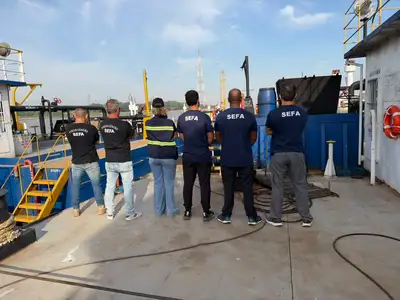
Socioeducators from the Socio-Educational Care Foundation of Pará (Fasepa) visited Agrizone, a demonstration space for sustainable agriculture that is part of the activities of COP30 (30th World Conference on Climate Change), and is open at Embrapa Eastern Amazon, on Dr. Enéas Pinheiro Street, in the Marco neighborhood, in Belém.
The visit took place between November 19 and 20, and the adolescents closely learned sustainable production techniques, strengthening the Education and Professionalization axis with environmental actions carried out throughout the month, before and during the Conference.

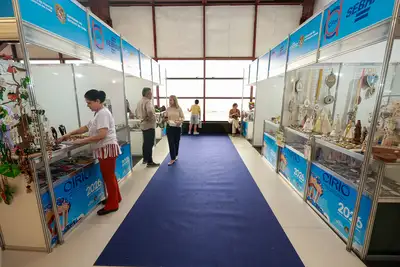
At Agrizone, the group of socioeducators freely visited the space and learned about updated cultivation and environmental preservation techniques, in addition to visiting and getting to know the Senar booth, a constant partner in Fasepa's pedagogical actions.
A young person from Salvaterra, who has been under socio-educational measures for nine months, emphasized the importance of the experience of visiting the Agrizone space. “This is the first time I participate in an event like this, and I am enjoying it. Back in my hometown, we grow pineapple, cassava, and everything I am learning at Fasepa helps improve our planting. Being here is important for me,” he stated.

Another socioeducator, 17 years old, from the municipality of Oriximiná, deprived of liberty for 5 months, also enjoyed the visit to Agrizone. “I liked the workshops on environmental management practices. The work in the seedling nursery set up with PVC and nylon pipes was very cool because I learned about soil enrichment, composting, planting, and caring for plants. I will be able to use this when I leave Fasepa. Today, being here, I feel privileged to visit this space and see so much of my culture,” he shared.
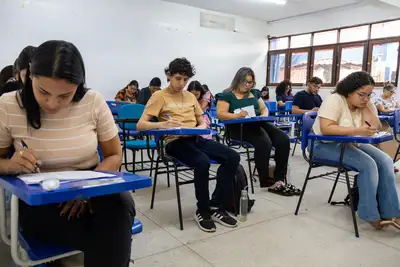
Throughout this month of November, Fasepa intensified educational actions in socio-education, with activities focused on environmental themes, in alignment with the discussions of COP30. The 14 Socio-Educational Care Units and the Apoena Sports and Cultural Complex, a space dedicated to the foundation's environmental and cultural activities, promoted educational workshops, campaigns, and experiences that involved adolescents and staff in reflecting on sustainability and environmental preservation.
The initiatives included the production of posters and murals, recycling workshops, discussion circles, practices in green areas, and visits to spaces dedicated to teaching and valuing the environment. The visit to Agrizone is an example of external activities.

According to Fasepa, the actions programmed during the COP30 period reinforce environmental education as an essential tool in the socio-educational process, stimulating critical awareness, collective responsibility, and socio-emotional skills.
According to Alan Lima, from the Education Axis of Fasepa, the institution plays a strategic role by incorporating themes such as sustainability, combating pollution, rational use of resources, and environmental preservation. For him, this approach broadens knowledge, strengthens the critical thinking of socioeducators, and encourages more active citizen participation in socio-environmental discussions. “If there is no change in behavior in each individual, we will not have significant social transformations capable of truly influencing environmental policies,” he emphasized.
The Apoena Sports and Culture Complex, one of Fasepa's main formative spaces, stands out for its strong performance in environmental education. There, the ecological awareness of socioeducators is strengthened through practices that unite theory, cultivation, and preservation, teaching the art of planting and caring for nature. Among the activities are workshops on the environment, horticulture, fruit growing, composting, gardening, ornamental and medicinal plants, as well as bioeconomy initiatives, handicrafts, theater, music, painting, comic drawing, and muralism.

These actions value Amazonian knowledge, encourage sustainable entrepreneurship, and consolidate environmental education as a transformative axis. By incorporating Agroforestry Systems (SAFs) as a socio-educational practice and aligning activities with the concept of climate justice with a gender focus, Fasepa expands opportunities for social reintegration and citizen formation.
During COP30, one of the workshops offered to socioeducators in the complex and units taught how to produce seedlings by reusing disposable cups and PET bottles, integrating sustainability and professional qualification.
The activities are in partnership with the National Rural Learning Service (Senar), strengthening technical training and expanding the educational repertoire of socioeducators.
“For six years we have been working in socio-education, offering professionalization courses in areas such as floriculture, gardening, landscaping, and processing regional products. Therefore, we consider it essential for socioeducators to have the opportunity to experience experiences like this, dialoguing with producers who have undergone similar training and are now established entrepreneurs. This direct contact, combined with training, is fundamental to the socio-educational process,” highlighted Júlio Pires, pedagogical coordinator and socio-educational actions coordinator of Senar Pará.
For Raquel Amarantes, technical assistant of the Making Justice program of the National Justice Council (CNJ), initiatives like this demonstrate Fasepa's commitment to transformative socio-education.
“This type of action highlights Fasepa's commitment to quality socio-education. Providing experiences like this broadens adolescents' perspectives, strengthens autonomy, adds values, and generates knowledge. It is an essential initiative within the socio-educational process. This is promoting socio-education; this is pedagogical practice in its essence,” she reinforced.
The artistic and educational workshops with environmental themes will continue until the end of November. At the Apoena Complex, the permanent activities will continue in a fixed manner, ensuring the continuity of the work developed throughout the year with socioeducators, in partnership with Senar, especially in strengthening environmental education and cultivation practices.
Text by Dani Valente / Ascom Fasepa