
Galileu Hospital receives state certification for enhancing safety against hospital infections
Recognition from Sespa highlights the work of the unit, a reference in orthopedic trauma, in protecting patients and preventing complications during treatment
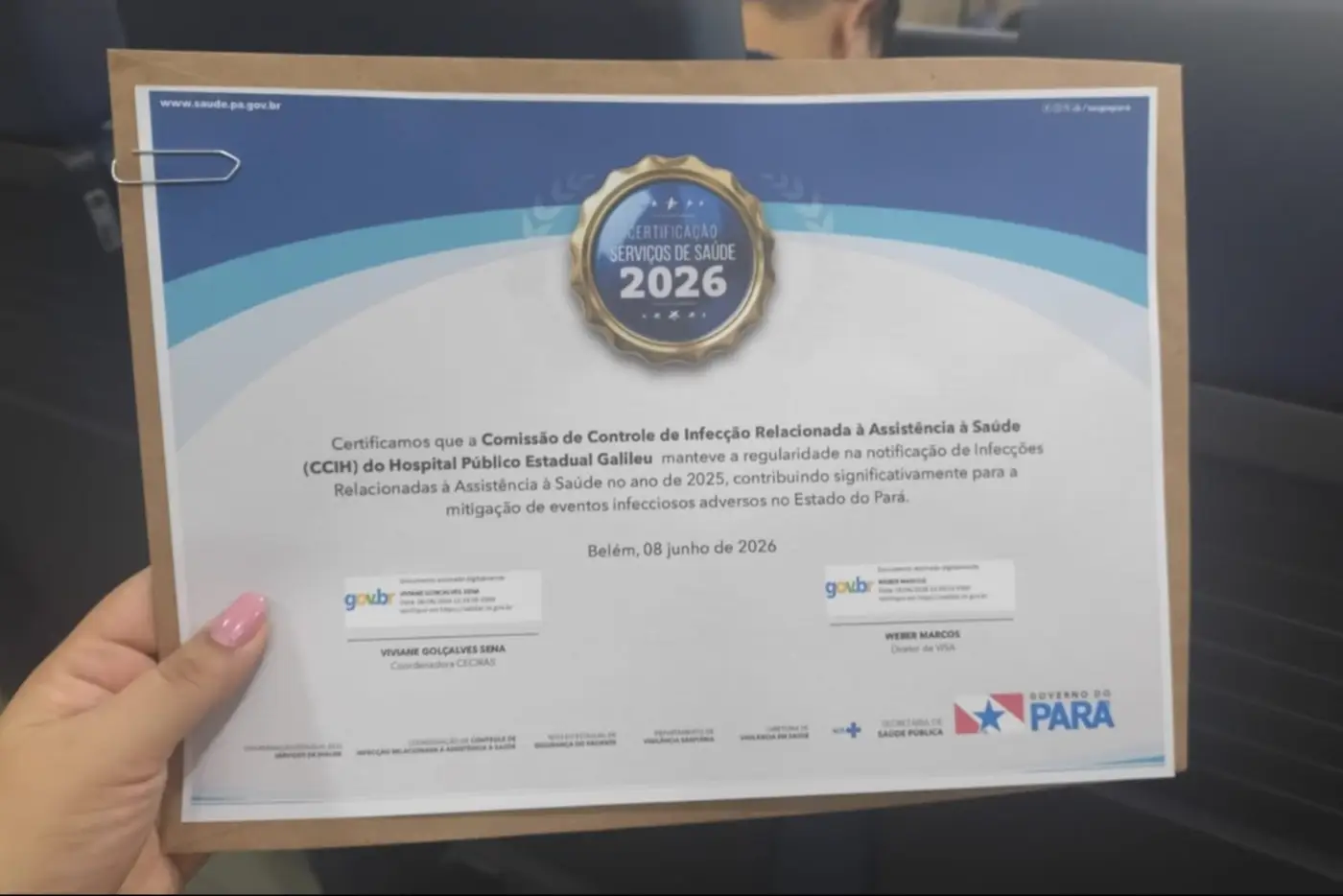
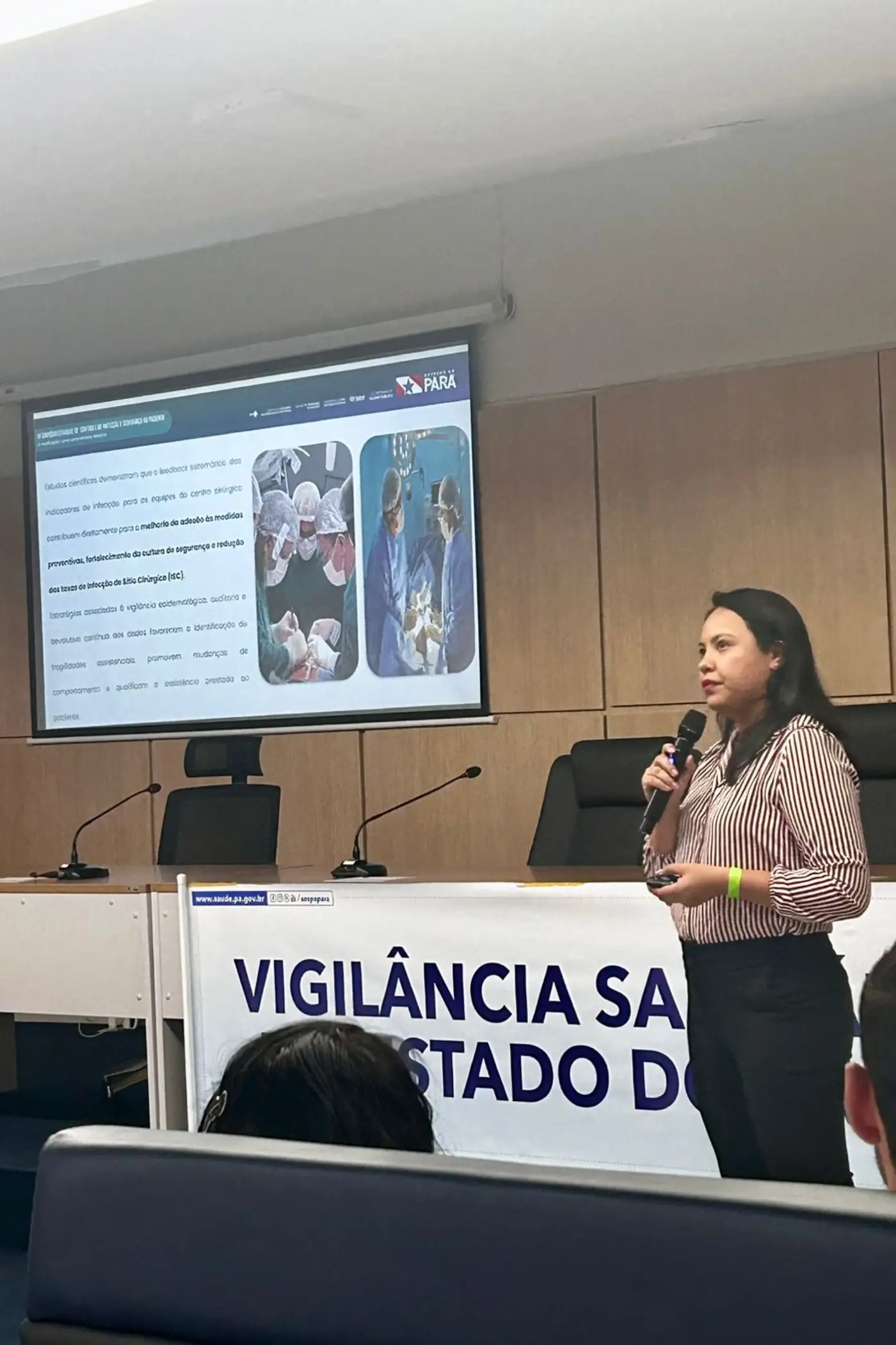

When a patient arrives at a hospital after a serious accident or needs to undergo orthopedic surgery, one of the biggest challenges for the healthcare team goes beyond the initial treatment: preventing infections that could compromise recovery. At the Galileu State Public Hospital (HPEG), a government unit recognized for orthopedic trauma, this care has gained state recognition.
The unit received, this Monday (8), certification from the State Department of Public Health (Sespa) for the regularity in reporting Healthcare-Associated Infections (HAIs), during the III State Symposium on Infection Control and Patient Safety, which had the theme "Reporting as a collective commitment." The event brought together health professionals and managers to discuss epidemiological surveillance, patient safety, and strategies to strengthen risk prevention in hospital units in Pará.
The state secretary of Public Health, Ualame Machado, emphasized the importance of the units' commitment to safe practices and continuous monitoring. "The regularity in notifications demonstrates responsibility, transparency, and commitment to the quality of care. When health services monitor risks and act preventively, we ensure greater safety and more efficient care for the population," he highlighted.
Daily Life
In practice, the recognition directly impacts those who are hospitalized. In a hospital specialized in orthopedic trauma, patients undergoing surgeries, implants, and complex treatments may be more vulnerable to infections, making monitoring even more essential to avoid complications and ensure a safe recovery.
For the nurse coordinator of the Hospital Infection Control Service (SCIH) at HPEG, Jéssica Cunha, the certification represents the recognition of daily work focused on patient protection. "This certification symbolizes our commitment to patient safety, the quality of care, and transparency in managing our notifications. The recognition for the regularity in reporting HAIs reinforces the excellence of institutional processes and the dedication of the CCIH team in promoting safe and quality care," she highlighted.
Behind this work is the Healthcare-Associated Infection Control Commission (CCIH), responsible for the continuous monitoring of indicators, investigation of cases, and strengthening of prevention protocols within the unit. "Our work is focused on the prevention, surveillance, and control of healthcare-associated infections, through continuous monitoring of epidemiological indicators, case investigation, protocol development, and implementation of preventive measures for HAIs. With this, we aim to reduce care risks and improve clinical outcomes," Jéssica explained.
According to the coordinator, daily monitoring, active case finding, audits, and integration between care teams, laboratory, and pharmacy were fundamental to ensure the regularity of notifications throughout the year. "Through epidemiological surveillance, it is possible to early identify potential cases of infection, detect outbreaks, and implement corrective measures quickly and effectively, strengthening protocols and reducing complications that can directly impact patient recovery," she stated.
Recognition
The executive director of Galileu Hospital, Paula Narjara, highlighted that the certification reinforces the unit's commitment to increasingly safe and humanized care for the population of Pará. "Receiving this recognition from Sespa reaffirms that we are on the right path, investing in safe processes, continuous monitoring, and a culture of quality care. In a hospital that is a reference in orthopedic trauma, having an active Infection Control Commission makes all the difference in ensuring a safer recovery and providing increasingly qualified care to the population," the manager emphasized.
Text: Ascom/ HPEG